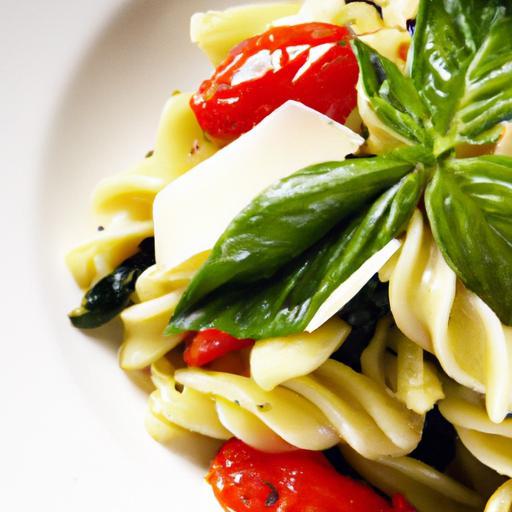
Tips for a Vibrant & Fresh Caprese Pasta Salad
The Caprese pasta salad is a culinary staple, celebrated for its vibrant colors, fresh ingredients, and delightful simplicity. It’s a dish that perfectly encapsulates the essence of summer, bringing together ripe tomatoes, fresh mozzarella, fragrant basil, and tender pasta, all drizzled with a rich balsamic glaze. But while the concept is straightforward, mastering a truly vibrant and fresh Caprese pasta salad goes beyond simply combining ingredients. It requires attention to detail, thoughtful preparation, and a few insider tips to ensure every forkful is bursting with flavor and texture. Whether you’re preparing it for a casual weeknight dinner, a backyard BBQ, or a special gathering, these tips will help you elevate your Caprese pasta salad from good to unforgettable.
The Foundation: Choosing Your Ingredients Wisely
The success of any simple dish hinges on the quality of its components, and Caprese pasta salad is no exception. Investing in the best possible ingredients is the first, most crucial step towards achieving a truly outstanding salad.
Perfect Pasta Selection and Preparation
- Choose the Right Shape: Opt for pasta shapes that can hold onto the dressing and bits of cheese and tomato. Penne, rotini, farfalle (bowties), and orecchiette are excellent choices. Their nooks and crannies are perfect for capturing all the delicious flavors.
- Cook Al Dente: This is non-negotiable. Overcooked pasta turns mushy and loses its structural integrity, making your salad soggy. Cook the pasta according to package directions, but aim for a firm, chewy texture. It should have a slight bite to it.
- Rinse (Sometimes): While typically you wouldn't rinse pasta, for a cold pasta salad, a quick rinse under cold water can help cool it down quickly and prevent it from sticking together. However, ensure it’s thoroughly drained to avoid watering down your dressing.
Ripe Tomatoes are Key
Tomatoes are one of the stars of a Caprese. Their sweetness and acidity are essential for balancing the dish.
- Variety Matters: Cherry or grape tomatoes are ideal as they offer concentrated flavor and a delightful pop when bitten. Look for bright red, firm tomatoes that smell sweet and earthy. If in season, heirloom cherry tomatoes can add a beautiful array of colors.
- Ripeness Check: Gently squeeze the tomatoes. They should yield slightly but not be soft or mushy. The deeper the color, generally the richer the flavor.
Fresh Mozzarella: The Creamy Heart
Forget the pre-shredded stuff. For a true Caprese pasta salad, you need fresh mozzarella.
- Opt for Fresh Mozzarella: Small balls like bocconcini (cherry-sized) or ciliegine (grape-sized) are perfect for pasta salads as they can be used whole or halved, providing creamy pockets of flavor. Pearls are even smaller and melt-in-your-mouth delightful.
- Drain Well: Fresh mozzarella is often packed in water or whey. Be sure to drain it thoroughly and even pat it dry with a paper towel to prevent excess moisture from diluting your dressing.
Basil: The Aromatic Soul
The fresh, peppery aroma of basil is what truly defines a Caprese. It's irreplaceable.
- Freshness is Paramount: Use vibrant, green basil leaves. Avoid any that are bruised, discolored, or wilting.
- Handle with Care: Basil is delicate. Avoid bruising it, as this can cause it to blacken.
Balsamic Glaze or Dressing?
The dressing ties all the elements together. While a simple olive oil and balsamic vinegar dressing is classic, a balsamic glaze takes it up a notch.
- Quality Balsamic Vinegar: Invest in a good quality balsamic vinegar. Its complex sweetness will make a huge difference.
- Homemade Glaze: To make a glaze, simply simmer balsamic vinegar over medium-low heat until it reduces by about half and thickens to a syrupy consistency. It concentrates the flavor beautifully and adds an elegant touch.
Mastering the Assembly for Maximum Flavor
Once you have your premium ingredients, the way you combine them can significantly impact the final taste and texture of your Caprese pasta salad.
Pasta Cooling Techniques
After cooking, proper pasta handling is key.
- Cool Quickly: As mentioned, rinsing with cold water is acceptable for a cold salad. Immediately after draining, toss the pasta with a tablespoon or two of olive oil. This prevents it from clumping together as it cools and adds an initial layer of flavor.
- Complete Cooling: Ensure the pasta is completely cool before combining it with other ingredients. Warm pasta can soften the mozzarella and wilt the basil prematurely.
The Art of Layering and Timing
Adding ingredients in the right order and at the right time ensures optimal freshness and prevents sogginess.
- Pasta First: Start with the cooled, olive-oiled pasta in a large mixing bowl.
- Tomatoes and Mozzarella: Add the halved tomatoes and mozzarella next. These ingredients are sturdy enough to handle the initial dressing.
- Dressing Application: Drizzle about three-quarters of your balsamic dressing or glaze over the pasta, tomatoes, and mozzarella. Toss gently to combine, ensuring everything is lightly coated. This allows the flavors to meld without overwhelming the basil.
- Basil Last: Always add the fresh basil at the very end, just before serving. Tear the leaves rather than chopping them, as tearing releases more aroma and minimizes bruising. This keeps the basil vibrant and flavorful.
Elevating Your Caprese Pasta Salad: Beyond the Basics
While the classic Caprese pasta salad is perfect in its simplicity, there are many ways to introduce new dimensions of flavor and texture, making it uniquely yours. This is where you can truly get creative!
Unexpected Additions for Enhanced Flavor
Consider incorporating ingredients that complement the core Caprese flavors:
- Olives: Kalamata or Castelvetrano olives add a briny, salty counterpoint.
- Pine Nuts: Toasted pine nuts offer a lovely crunch and nutty flavor.
- Protein Boost: For a heartier meal, consider adding grilled chicken, shrimp, or even chickpeas.
- Avocado: Diced avocado adds a creamy texture and healthy fats, though it should be added just before serving to prevent browning.
- Red Onion or Shallots: Thinly sliced red onion or finely minced shallots can provide a subtle pungent kick.
Herb Variations and Other Cheese Options
Don't be afraid to experiment with other fresh herbs or cheeses while still maintaining the spirit of the Caprese.
- Other Herbs: A touch of fresh oregano or even mint can introduce interesting nuances.
- Cheese Alternatives: While fresh mozzarella is traditional, goat cheese or crumbled feta can offer a different creamy texture and tangy flavor profile. These work well if you're looking for a slightly different take on the classic.
Storage and Serving Secrets for Lasting Freshness
Making a large batch of Caprese pasta salad is often the goal, especially when planning for gatherings. Proper storage and serving techniques ensure your salad remains delicious and fresh.
Optimal Storage for Maximum Shelf Life
- Airtight Container: Store your Caprese pasta salad in an airtight container in the refrigerator. This minimizes air exposure, which can cause ingredients to degrade faster.
- Separate Components (If Possible): If you’re preparing the salad more than a day in advance, consider storing the dressed pasta/tomatoes/mozzarella separately from the fresh basil and even the balsamic glaze. Add these delicate components just before serving for ultimate freshness.
- Longevity: Properly stored, Caprese pasta salad is best consumed within 2-3 days. The pasta will continue to absorb dressing over time, which can impact texture.
Refreshing Before Serving
A little pre-serving refresh can make a world of difference.
- Room Temperature is Best: Take the salad out of the refrigerator about 15-30 minutes before serving. This allows the flavors to come alive and the mozzarella to soften slightly, enhancing its creamy texture.
- Add Fresh Elements: If stored separately, toss in freshly torn basil and a final drizzle of balsamic glaze or extra virgin olive oil just before serving. This ensures the basil is vibrant and the flavors are at their peak.
Transporting for Potlucks and Picnics
The Caprese pasta salad is truly a potluck and picnic essential. To ensure it arrives in perfect condition:
- Dressing on the Side: If transporting for a long period or to a hot environment, it’s often best to pack the dressing (and basil) separately. Dress the salad just before serving at your destination.
- Insulated Cooler: Always transport the salad in an insulated cooler, especially if it contains fresh mozzarella, to keep it cool and safe.
- Sturdy Container: Use a container with a secure lid to prevent spills.
Conclusion
A vibrant and fresh Caprese pasta salad is more than just a recipe; it's an experience. By paying close attention to the quality of your ingredients, mastering the art of assembly, and understanding how to store and serve it optimally, you can create a dish that truly shines. The perfect blend of sweet tomatoes, creamy mozzarella, aromatic basil, and tender pasta, all brought together by a rich balsamic glaze, is a testament to the beauty of simple, fresh flavors. Don't be afraid to experiment with the suggested additions and variations to make this classic dish uniquely yours. Enjoy the process, and savor every delicious, sun-kissed bite of your next homemade Caprese pasta salad!
